
Building Confidence from the Inside Out: Prairie Francia Joins Miss Chico Academy as Guest Enrichment Speaker
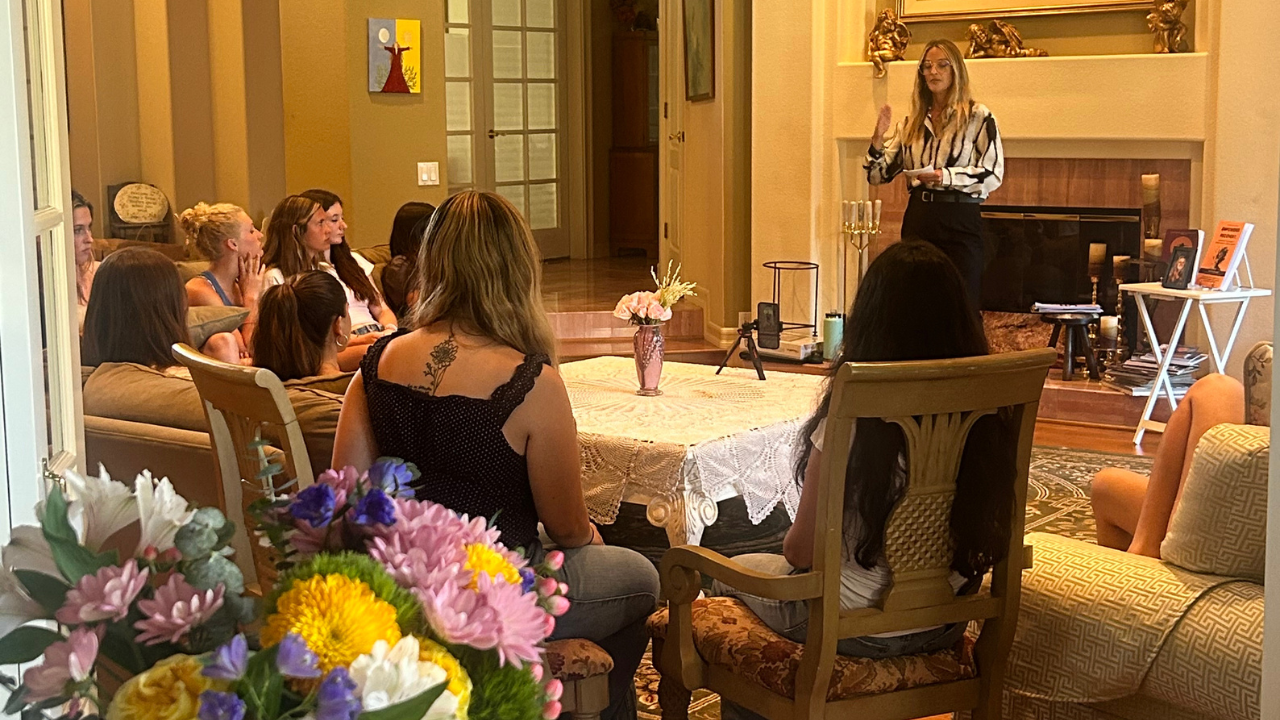
I recently had the honor of serving as a guest enrichment instructor for the incredible young women participating in the Miss Chico Academy program.
One of the things I admire most about the Miss Chico organization is its commitment to developing young women beyond the stage. While pageantry certainly includes elements like presentation, communication, hair and makeup, interview preparation, and stage presence, the Academy also focuses on leadership, confidence, personal growth, and life skills that extend far beyond competition day…

Living Empowered: Why Recovery Is Not the Finish Line, but the Foundation
There comes a moment in healing when the language of recovery begins to change.
The nervous system is steadier. The patterns are more visible. The urgency to “fix” oneself has softened. And in that space, a new question often emerges — quietly, but persistently:
What am I meant to do with my life now?…

Building Resilience for Lasting Change: Why Micro-Habits and Environment Design Matter More Than Willpower
Most people believe resilience comes from trying harder. Pushing more. Becoming “disciplined enough” to override cravings, stress, and old patterns. But in my 20+ years in health and wellness—both as a coach and a woman who has used her own body as a laboratory for transformation—I’ve learned that resilience has very little to do with willpower and everything to do with structure…

The Body–Mind Connection in Recovery: Why Physical Healing Fuels Emotional Transformation
When most people think about “recovery,” they think about the mind — mindset, triggers, impulses, cravings, emotional wounds, and patterns of coping. But the truth is far more holistic: Recovery lives in the body as much as it lives in the brain.
For years now, in my work as a certified health coach and substance use disorder counselor, I’ve watched a surprising but consistent truth unfold — people don’t relapse from a lack of willpower. They relapse because their body is overwhelmed, inflamed, dysregulated, or exhausted…

Healing Relationships Through Empowered Recovery: How Self-Change Transforms Connection
When we begin to heal, the way we love and connect changes. Drawing on neuroscience and trauma-informed psychology, Prairie Francia explains how self-regulation, boundary work, and emotional alignment can rewire relationship patterns for authentic, lasting connection…

Pathways to Recovery: Your Unique Map to Healing
When it comes to recovery, there’s a myth that quietly weighs on many people — the idea that there’s a right way to do it.
That if you don’t follow the same steps someone else did, you must be doing it wrong.
But recovery isn’t a straight road.
It’s a map — one that looks different for every single person who walks it…

Emotional Regulation and the Brain: The Neuroscience of Responding Instead of Reacting
When emotions take over, the brain’s alarm system—the amygdala—hijacks control, leaving the logical prefrontal cortex offline. The result? Reactivity.
Learn how mindfulness, reflection, and identity-based regulation strengthen emotional balance and create lasting recovery through neuroplasticity…

Rewiring Habits for Sustainable Recovery
Habits shape recovery more than willpower. Neuroscience shows they operate as cue–routine–reward loops, but with awareness and identity-based practices, they can be rewired. Learn how to reshape habits for sobriety and lasting freedom…

The Power of Identity Shift: From “I’m Trying to Quit” to “I’m the Kind of Person Who…”
Recovery is not just about quitting behaviors — it’s about becoming someone new. Neuroscience shows that when you align your identity with your desired habits, you strengthen the prefrontal cortex and make it easier to sustain change. Discover how identity shifts help individuals rewire their brains, reduce shame, and anchor themselves in recovery…

Values-Based Recovery: Anchoring to Your Why
Values are our compass, guiding decisions and shaping meaning in our lives. But addiction and people-pleasing often bury them under survival mode. Recovery means rediscovering and realigning with your values — your “why.” Neuroscience shows that reflecting on values strengthens self-control networks in the brain, making it easier to resist cravings and live authentically…
Cravings and the Brain: Beyond Food and Substance
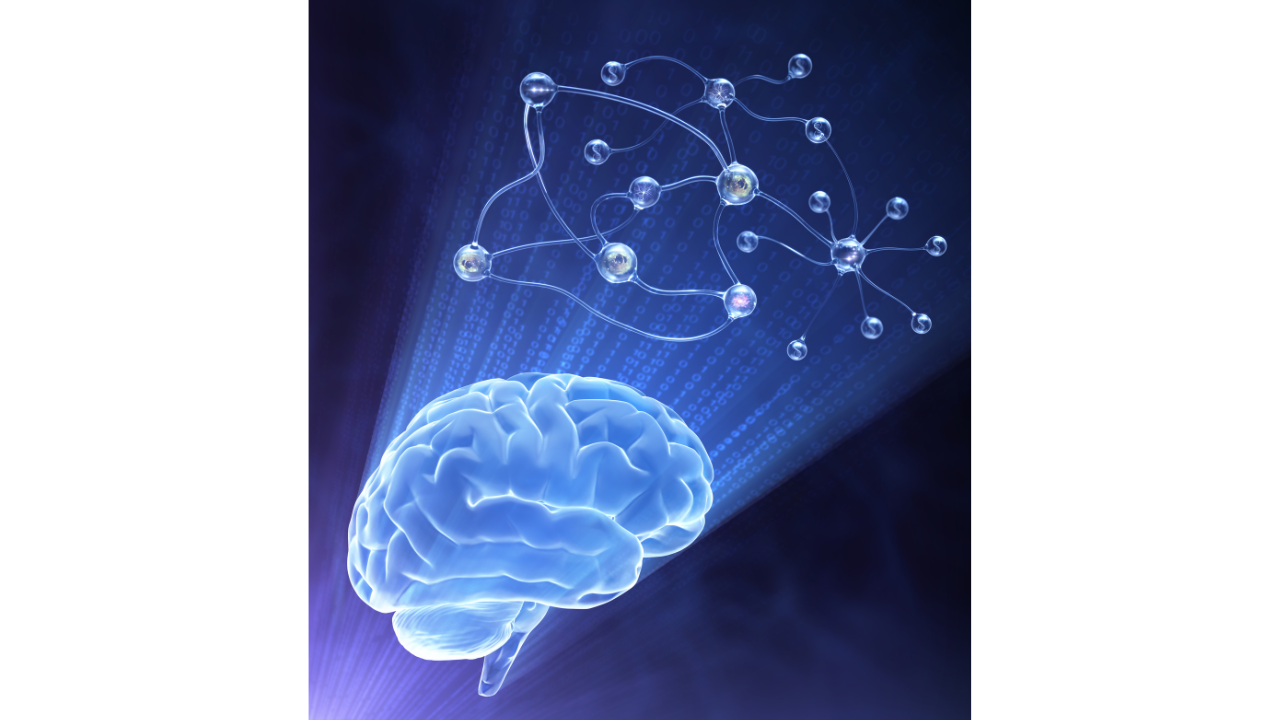
Cravings aren’t random urges — they’re the brain’s way of anticipating reward, often tied to unmet emotional needs. Whether it’s food, alcohol, or scrolling, cravings share the same neurological roots in the brain’s dopamine system. By learning to pause, reflect, and ask “What is this craving really telling me?”, you can transform cravings from traps into doorways for change…

The Habit Loop: Breaking the Cycle of Triggers, Cravings, and Old Patterns
Why do we keep repeating the same harmful behaviors, even when we want to stop? Neuroscience shows us the power of the habit loop—cue, craving, response, reward—and how these cycles shape addiction, toxic relationships, and everyday coping. The good news? With awareness, motivational interviewing strategies, and the science of neuroplasticity, you can break the loop and create empowered new pathways…
Rewiring Your Brain: The Science of Change in Recovery
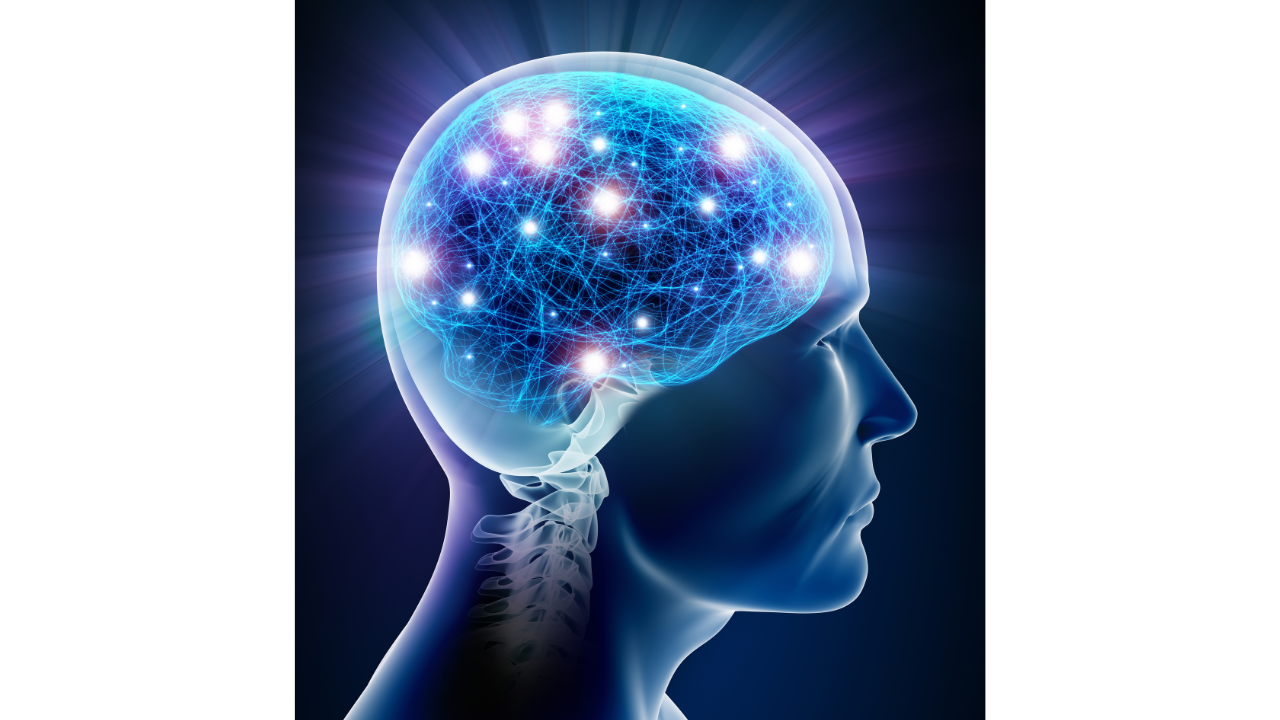
Neuroscience tells us that habits—healthy or harmful—are built through well-worn neural pathways. In addiction, dopamine overactivation strengthens those paths, making change feel impossible. But here’s the truth: your brain can rewire itself.
Through neuroplasticity, you can weaken old circuits, create new ones, and align your daily actions with the life you want to live. Recovery isn’t just about breaking habits—it’s about replacing them with choices that match your values, your vision, and your energy.
Here’s how science and spirit can work together to create transformation, and the first question to ask yourself today to start building a new pathway forward…

What Your Cravings Are Really Telling You
Cravings aren’t the problem. They’re the body’s way of communicating unmet needs—nutritional, emotional, and energetic. In this in-depth article, holistic health expert Prairie Francia shares how to interpret cravings through the lens of neuroscience, mineral deficiencies, candida overgrowth, and childhood conditioning—and offers a path to lasting healing and alignment.
Whether you’re trying to reduce sugar, quit alcohol, or stop numbing out with food, this is a must-read for anyone ready to break old patterns and step into true well-being…

When Food Becomes a Substance: Inflammation, Emotional Numbing, and the Clean Body Reboot
In today’s world, many of us are doing the best we can. We read the labels, buy organic, skip the fast food—but still feel tired, inflamed, bloated, and burned out.
As a certified health coach and substance use counselor, I’ve worked with hundreds of women who are deeply wellness-aware—yet unknowingly using food as a coping mechanism. Especially ultra-processed foods high in sugar, refined grains, alcohol, and seed oils. These act as substances, not nourishment, in the way they hijack our brain chemistry and burden our bodies…

Reboot Your Body: The Hidden Root of Inflammation and How to Finally Feel Better
You know that feeling—when your jeans don’t fit the same, your energy crashes halfway through the day, and your body feels like it’s holding onto something… but you can’t quite name what?
For years, I chalked it up to stress, age, or just being “off.”…

What Your Organs Are Trying to Tell You: How the Body Stores Emotion—and How to Release It
We often think of the body as a machine—organs with jobs, systems with tasks, and symptoms as signs of breakdown. But ancient healing traditions and modern science alike suggest something deeper: our bodies hold stories, and those stories are often stored in our organs…

Why Your Body Might Be Holding You Back (And How to Reset It in 28 Days)
We often think of personal transformation as something that begins in the mind—through willpower, mindset shifts, or therapy. And while those tools are vital, they often fall short when one crucial piece is missing:
The body.
As a health and wellness coach, substance use disorder counselor, and energetic alignment mentor, I’ve worked with countless individuals who were mentally ready to change—but couldn’t sustain their transformation because they hadn’t addressed the physical and energetic state of their body. I’ve also walked that path myself…

What I Wish I Had Honored in My 20s (That Are Now Non-Negotiables in My 40s)
A Letter From the Future You ✨
Dear Younger Me—
And to every woman navigating your 20s, 30s, or 40s who feels the quiet tug that there’s more to life than chasing the next glass of wine, the next relationship, the next version of yourself you think you have to be…

5 Reasons I’m Choosing Not to Drink And Why You Might Be Feeling the Same Pull
There’s been a quiet shift happening in me—one that’s been growing louder over time.
And while it may not seem revolutionary on the outside, it’s been deeply transformational for how I show up in my body, my relationships, my purpose, and my sense of self…